


1
Below: the board
With its specially shaped core.
Every Doubledeck uses all three systems, tuned to its purpose and its profile.
Compare all boards
Our benchmark. Stiff, precise and built for riders who treat every groomed run as a race track.

For freeride and big mountain. The Bow sits set back from the factory, for more float in deep snow.

For park, pipe and side hits. The shortest Bow of any Doubledeck makes it agile and responsive.

Easy to turn and forgiving, for everyone who wants to get better faster.
Ever since snowboards have existed, they have been built the same way at their core: one board, one binding, done. The industry has refined materials, shapes and graphics, but hardly anyone dared to touch the construction itself. We did. The result is a board with two decks and three patented systems that rides unlike anything you know.


Two parts that work together. The Bow puts you slightly higher, even with big boots.

Hover over a number to see the detailTap a number to see the detail
With its specially shaped core.
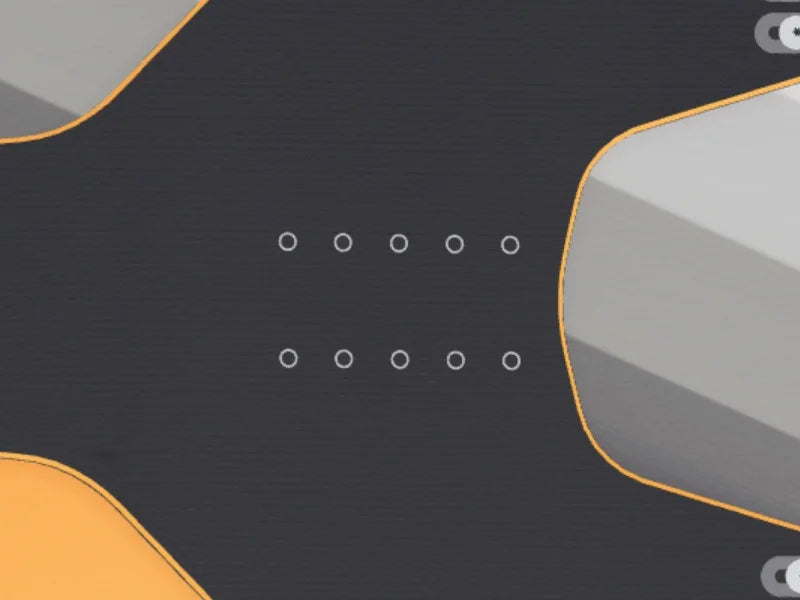
This is what you stand on. Any binding fits via the standard 4x4 insert pattern.
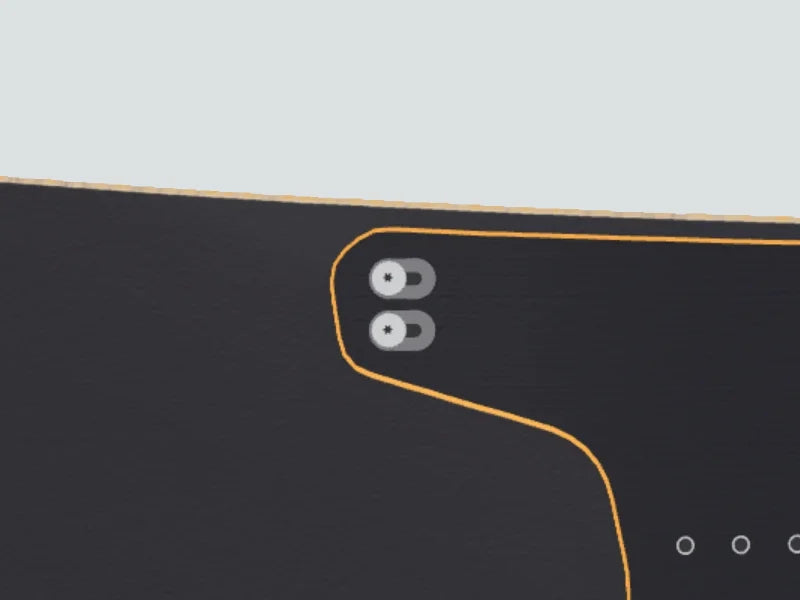
At the back the Bow rests on four sliding screws in a rail and moves with the board.
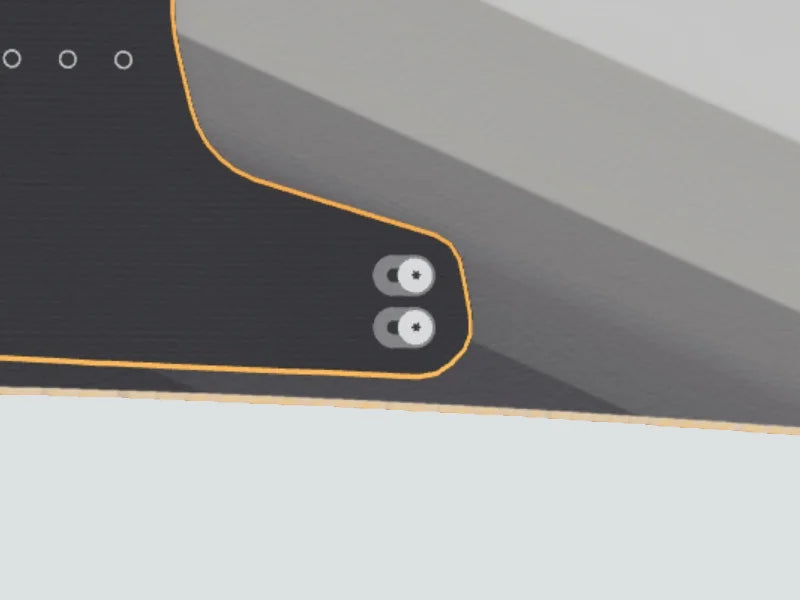
The Freeing D has an additional hole at the front. It lets you move the Bow back and ride with setback, for more float in deep snow.
With its specially shaped core.
This is what you stand on. Any binding fits via the standard 4x4 insert pattern.
At the back the Bow rests on four sliding screws in a rail and moves with the board.
The Freeing D has an additional hole at the front. It lets you move the Bow back and ride with setback, for more float in deep snow.
What the Bow does for you in every phase of your turn.
What the second deck does on the mountain.
Any questions? Message us
Yes, from groomed runs and icy sections to soft snow and powder. You get the most out of it when the model and setup match your riding style.
For everyone who wants to get better, wherever you are right now. Ambitious riders get the most out of it: more grip, more rebound and more control at speed.
Yes. The Bow puts you slightly higher, the ride is smoother, and between turns you feel extra rebound. After a few turns you won’t want to be without it.
Yes, any binding. The Bow has a standard 4x4 insert pattern.
We can explain a lot. You have to feel it yourself. Discover our boards and find the Doubledeck that suits the way you ride. Not sure which one? Our experts will advise you personally in the chat.